
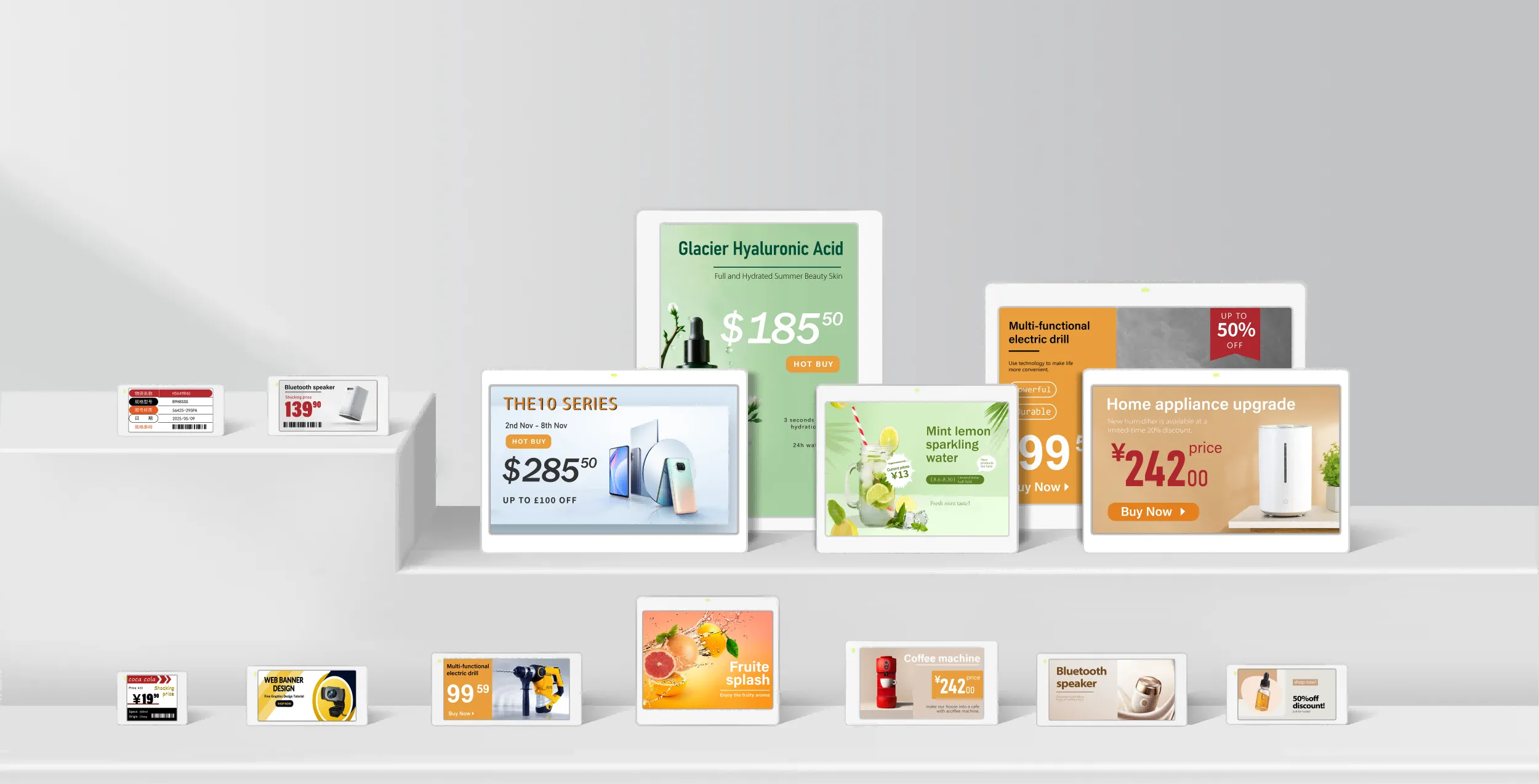
Electronic shelf labels may reduce the need to print replacement paper labels, but that alone does not establish a net environmental benefit. A fair comparison includes the store’s actual label-change volume as well as ESL manufacturing, batteries, replacement, electricity, shipping and end-of-life handling.
Start With a Measured Paper-Label Baseline
Record the number of labels printed over a representative period and measure the materials actually used. Include label stock, backing or liner, printer consumables and disposal practices. Extrapolate only when the observed period reflects normal operations.
| Baseline input | How to measure it |
|---|---|
| Labels printed | Count by store, department and update cycle |
| Paper and backing | Use supplier specifications or weigh representative batches |
| Printer consumables | Record toner, ink, maintenance and equipment replacement |
| Staff process | Measure preparation, replacement and verification steps |
| Disposal | Document recycling, general waste and local handling practices |
Include ESL Lifecycle Inputs
Request environmental or material information for the exact label and infrastructure models. Record quantities, battery type and replacement assumptions, operating conditions, expected service-life evidence, shipping and available local recycling routes. Do not assume that batteries, electronics or used labels are accepted by every waste program.
| ESL input | Evidence to collect |
|---|---|
| Equipment and infrastructure | Exact models, quantities, material declarations and supplier information |
| Batteries and replacements | Model-specific battery configuration and documented replacement assumptions |
| Operation | Power use for infrastructure and the update pattern in the planned workflow |
| End of life | Applicable local collection, recycling and disposal arrangements |
Compare Like With Like
Choose the same stores, label scope and analysis period for both options. State the data sources, boundaries and assumptions. If you convert materials or energy into carbon estimates, use a disclosed and appropriate lifecycle method and identify the factors used; this page does not provide verified per-label emissions or a universal break-even point.
Keep Operational Benefits Separate
Electronic labels can support digital price updates, but a label system alone does not prove reduced food waste, transport or labor emissions. Such outcomes depend on pricing software, integrations and store procedures. Measure them separately during a representative project evaluation and do not attribute a change to ESL without an appropriate comparison.
What to Report in an ESG Review
Report the actual baseline, system scope, measurement period, method and limitations. Distinguish measured results from modeled estimates, and include equipment and battery impacts as well as paper avoided. Avoid reporting zero waste or a fixed percentage reduction unless the result has been measured and independently supportable.
Questions for a Supplier
- Which exact label and infrastructure models are included?
- What material, battery and lifecycle documentation is available for those models?
- What are the model-specific replacement assumptions and operating limits?
- Which local end-of-life or recycling arrangements apply, and who provides them?
- Can the proposed system and evaluation scope be identified in the written quotation?
This article is a measurement framework, not a lifecycle assessment or a claim of guaranteed environmental savings. Use product-specific records and transparent methods for reporting.
Planning an ESL Evaluation?
Contact Tocvue to confirm label models, system workflow, project scope and available product documentation.
Request Project Quote